Best for
Export loading
Supports LCL, FCL and mixed cargo
Designed for real export and mixed-loading scenarios. From plan creation and cargo entry to container selection and solution output, keep communication, recalculation, and warehouse execution in one workflow.
Independently built and maintained by Tom Mcfly for real-world loading and export workflows.
Best for
Export loading
Supports LCL, FCL and mixed cargo
Plan style
Practical & explainable
Useful for both client communication and internal collaboration
Optimization
Space + stability
Considers volume, weight and on-site feasibility
Workflow
Fast recalculation
Quickly adapt to cargo or container changes

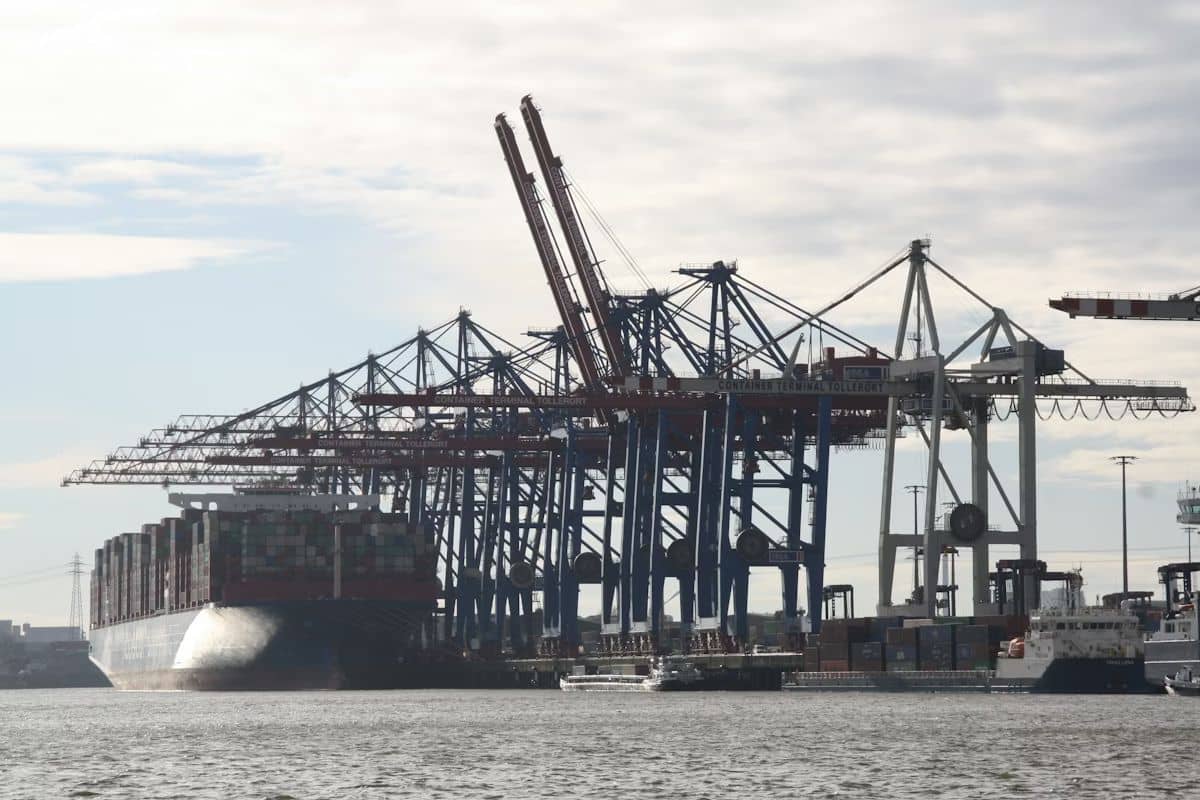
Many loading plans look efficient in theory but break down during execution.
Loadvis was created to help teams work with real constraints, not just volume, but also weight distribution, access, stacking limits, door clearance, and operational feasibility.
For teams that need executable loading plans that hold up after customer changes and shipment adjustments.
For planners balancing container space, handling rules, and loading feasibility on the warehouse floor.
For sales teams that need visual plans to explain options clearly and move proposals forward faster.
For operations that regularly compare multiple cargo combinations, containers, and rule settings in one flow.
Beyond fitting volume, it factors in weight, orientation limits, stability and operating space.
Organized by plans, cargo, containers, rules and results to match real daily workflows.
Use plan details, animation and loading guide directly in client discussions and warehouse operations.
When cargo, container type or rules change, recalculate quickly without rebuilding from scratch.
Loadvis is built by Tom Mcfly, an independent developer focused on practical planning tools for real-world operations.
The product is designed to make loading plans more visual, explainable, and easier to execute across sales, operations, and warehouse workflows.
Use public examples and product demos to quickly understand how plans are generated, presented and executed.
It does not treat all cargo as ideal boxes. The solver is designed around practical cargo and real loading constraints.
A strong loading outcome is more than a number. It should be explainable, shareable and actionable.
Advantages
A professional loading system should balance utilization, stability, center-of-gravity and on-site operability so every team can make decisions from the same plan.

The goal is not maximum fill at any cost, but the best balance of utilization and execution.
Algorithm
Customers care whether the same cargo can use fewer containers with fewer on-site issues.

The more batches, limits and communication rounds, the more value this brings.
Scenarios
Best for frequent changes in cargo, container type and client requirements where fast recalculation matters.

Only plans that can be shown and executed create real business value.
Execution
Users need a plan that can be shown to clients, used by warehouses and shared internally.
When sales, operations and warehouse teams collaborate on one shared result, communication is smoother and execution is more stable.